



























Semper Augustus
2024

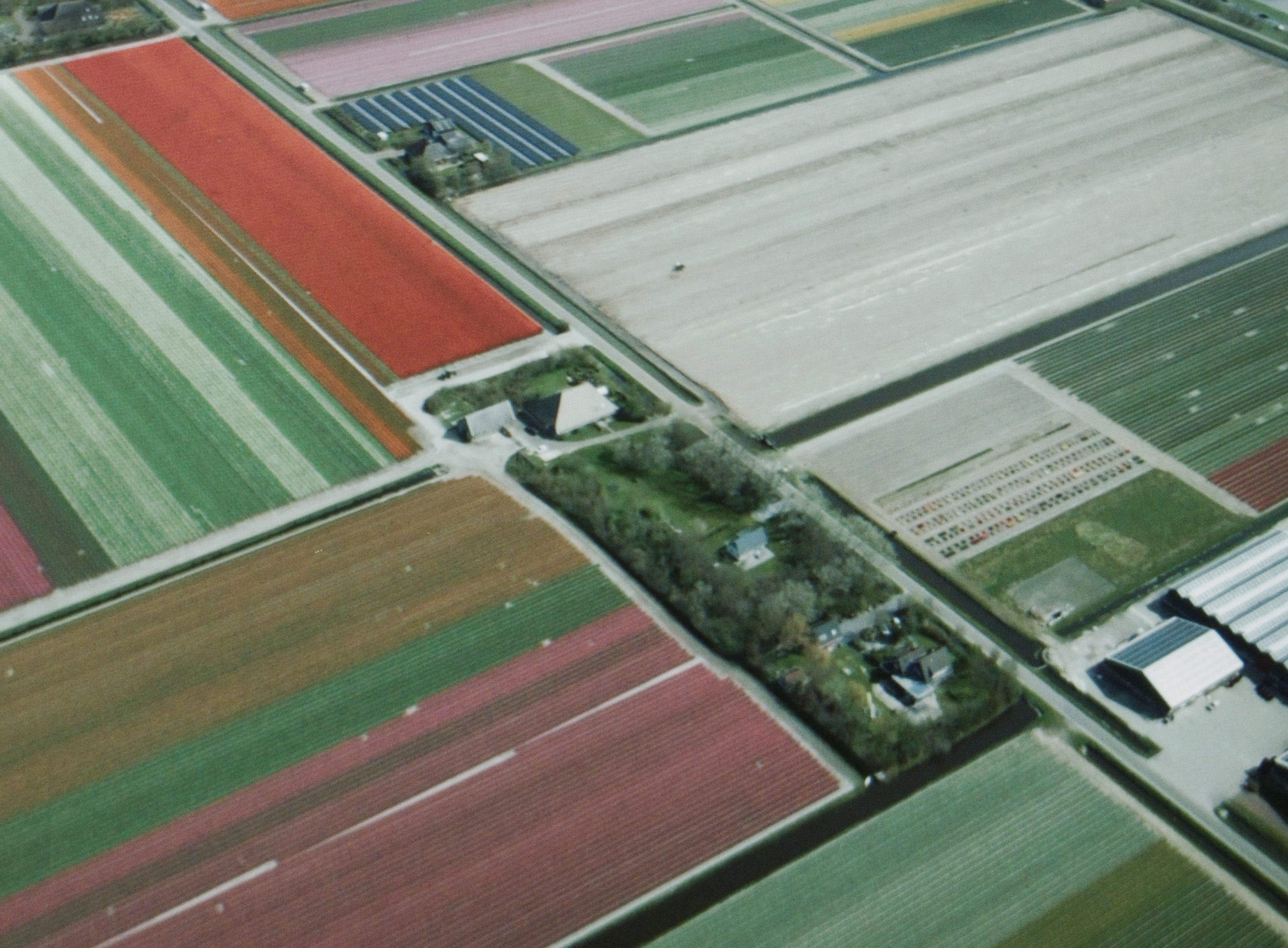
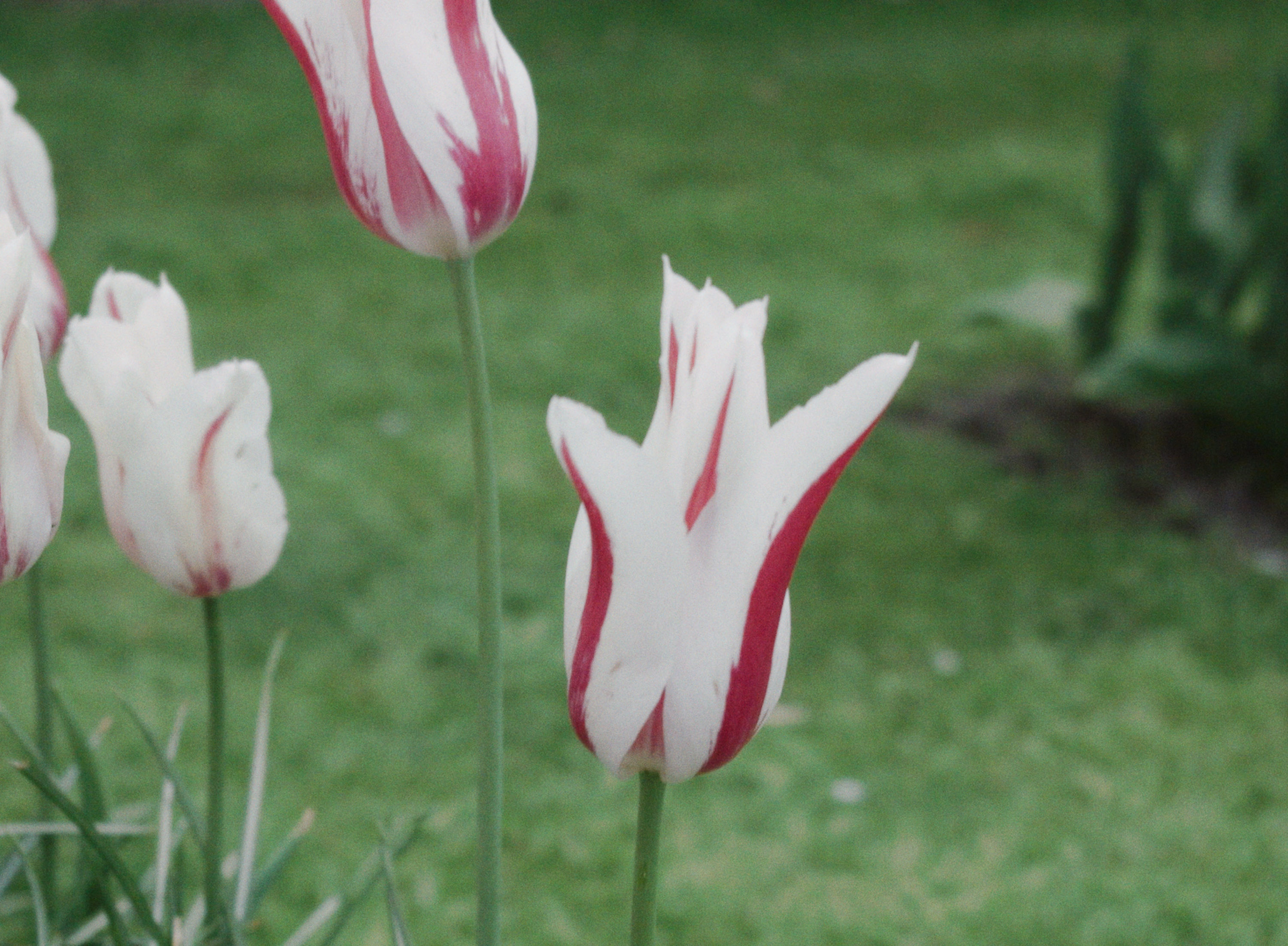
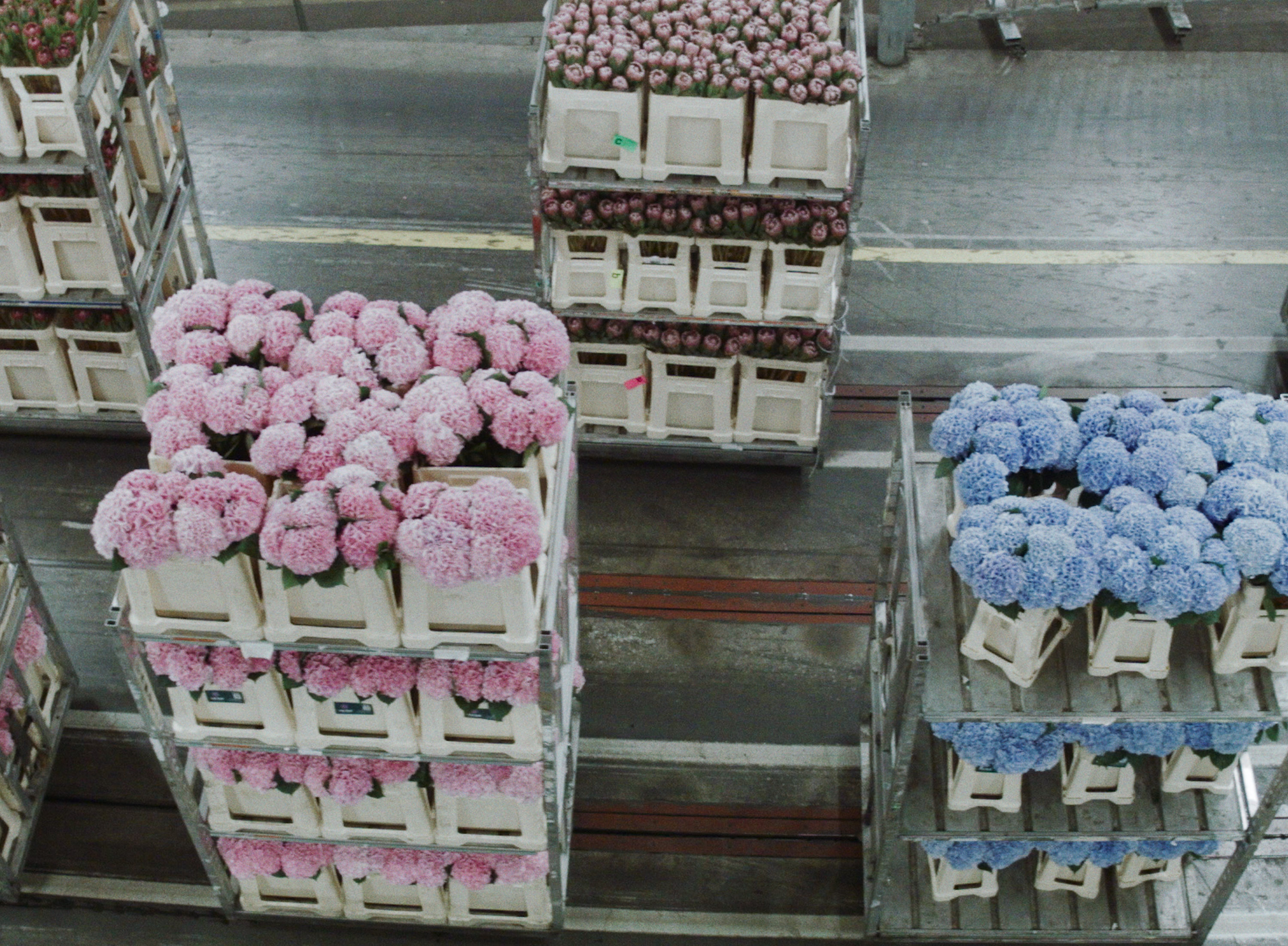
Semper Augustus takes its point of departure from the so-called tulipmania in the Netherlands during the 17th century. Through Western colonization and conquest, plants have been transported across continents into foreign landscapes, where they displace native species through cultivation and natural dissemination.
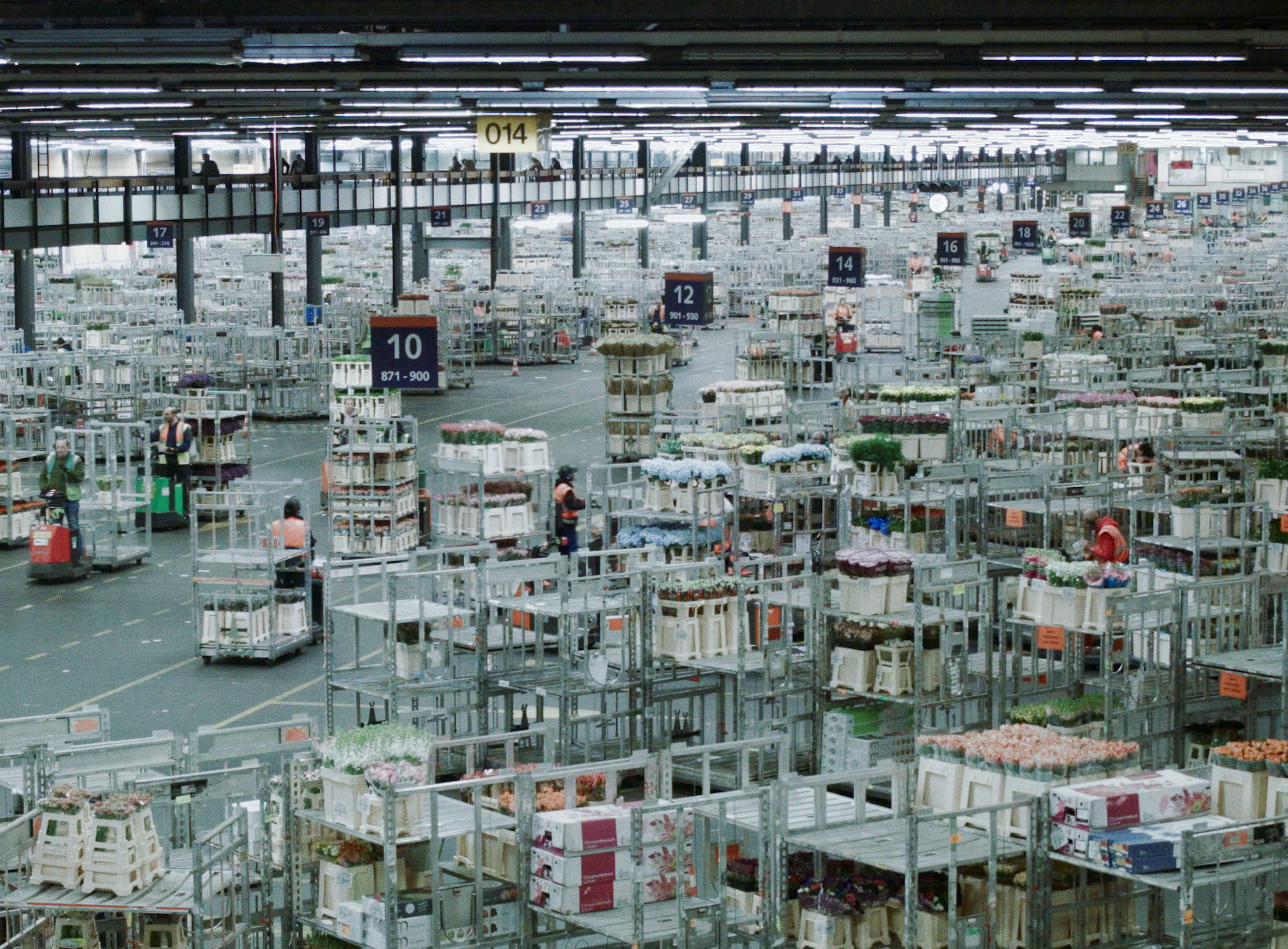
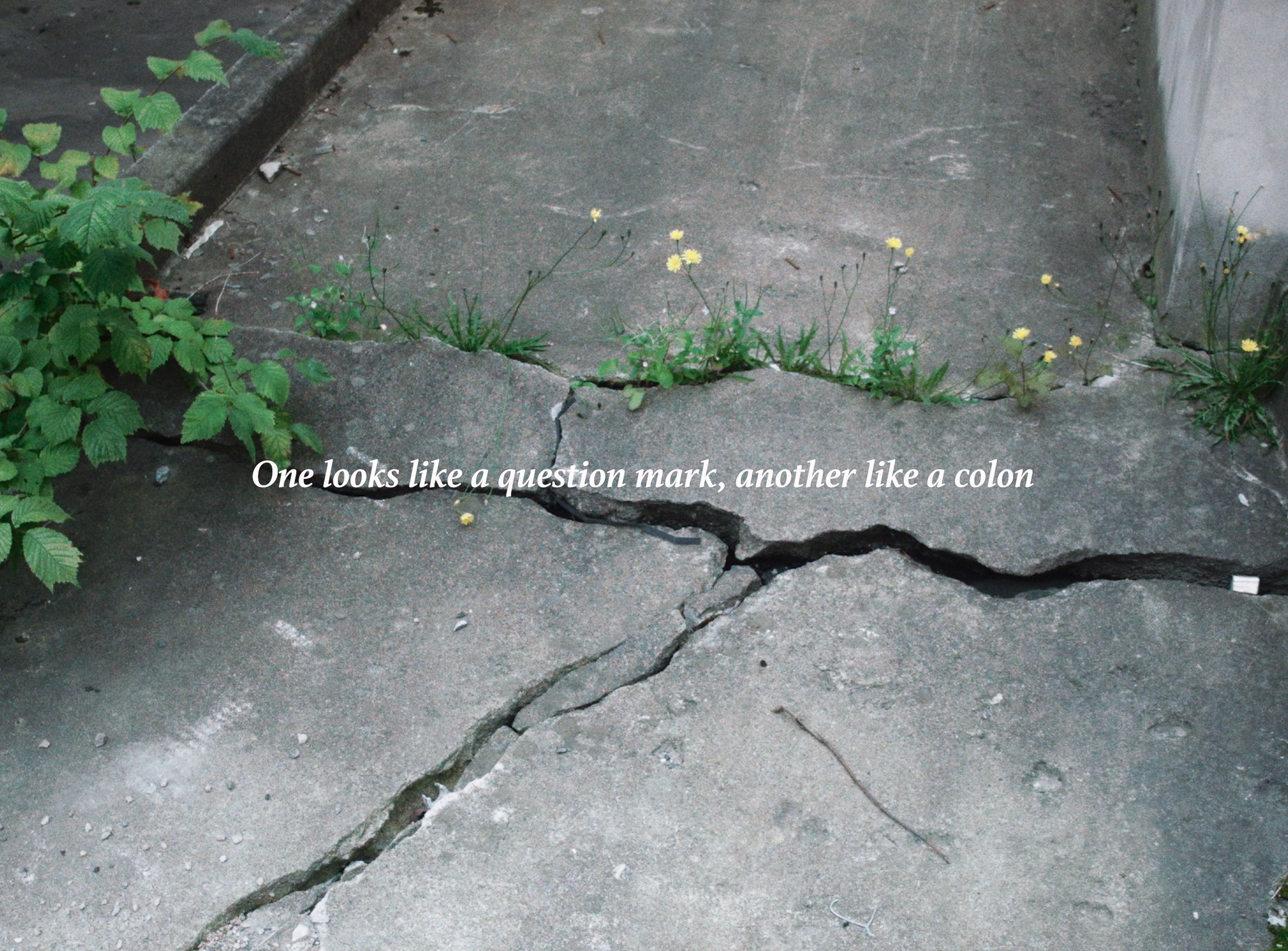
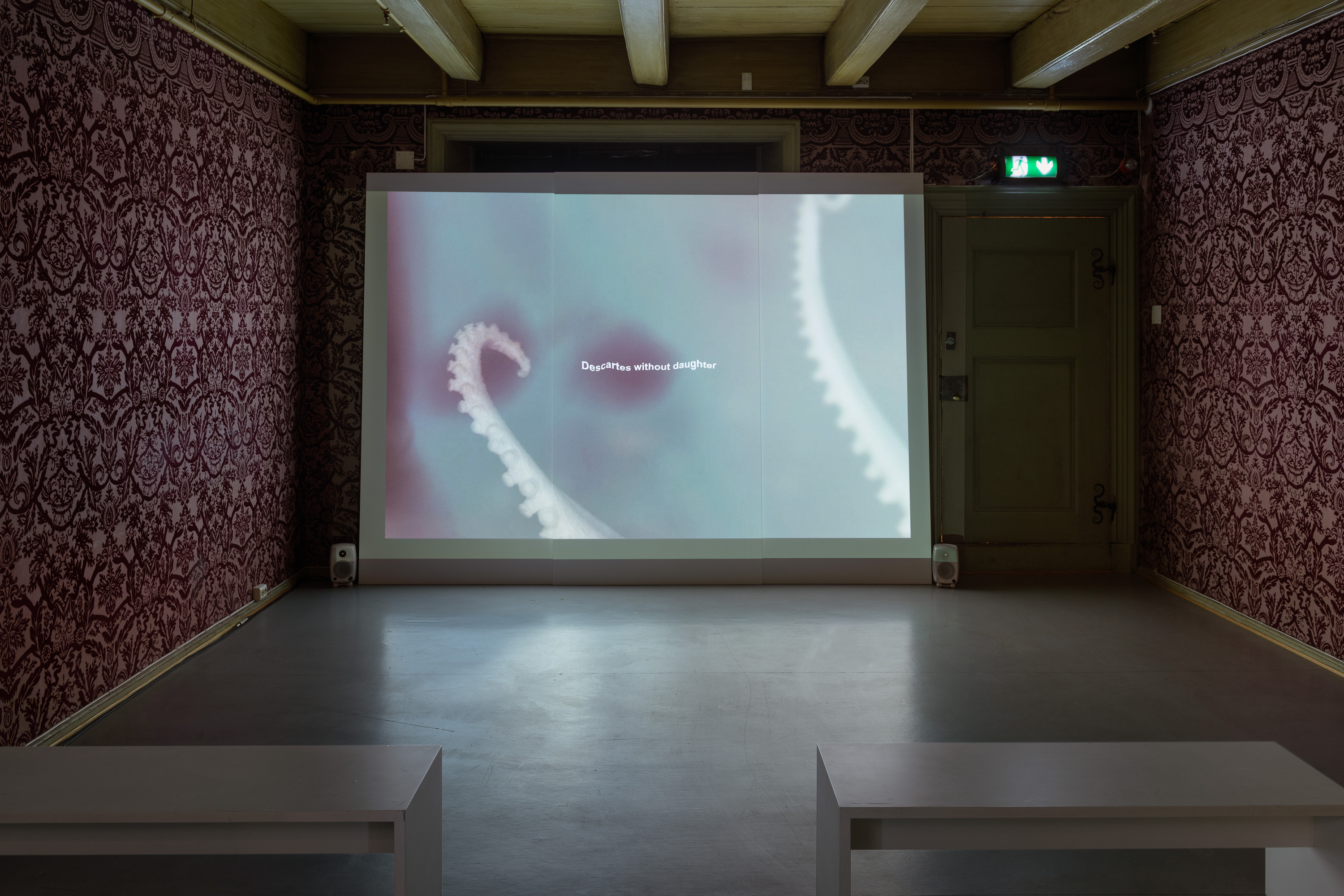
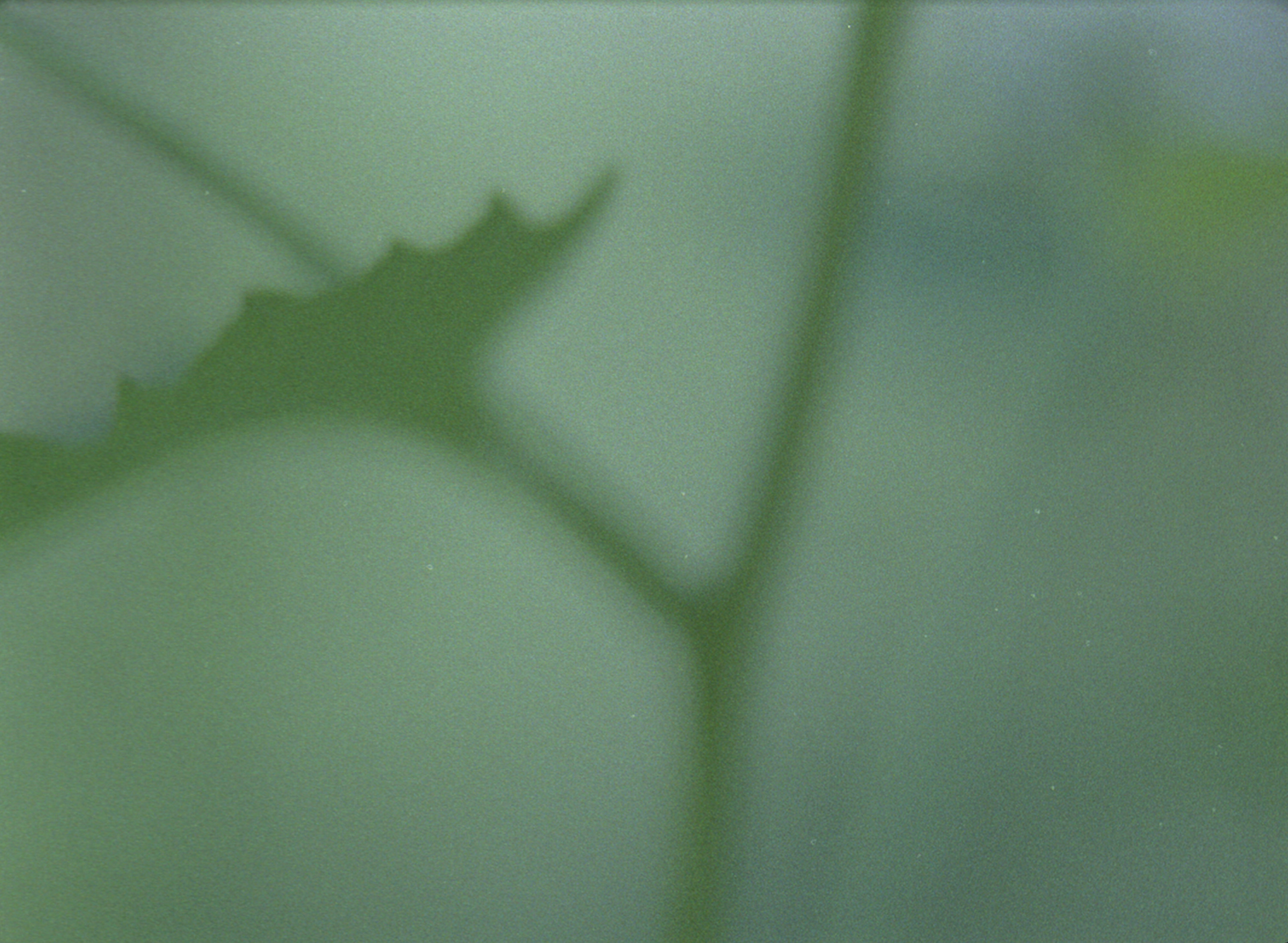
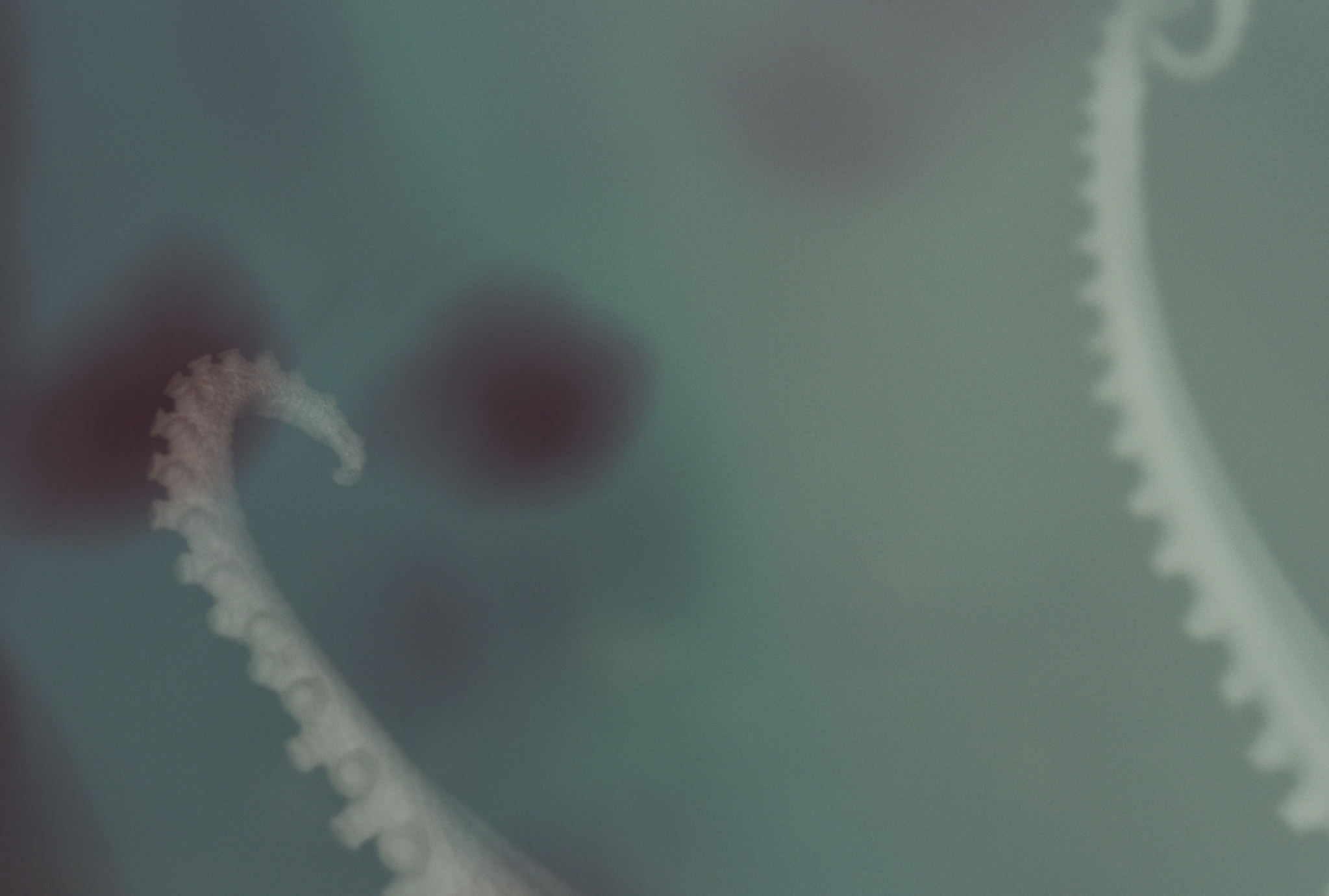
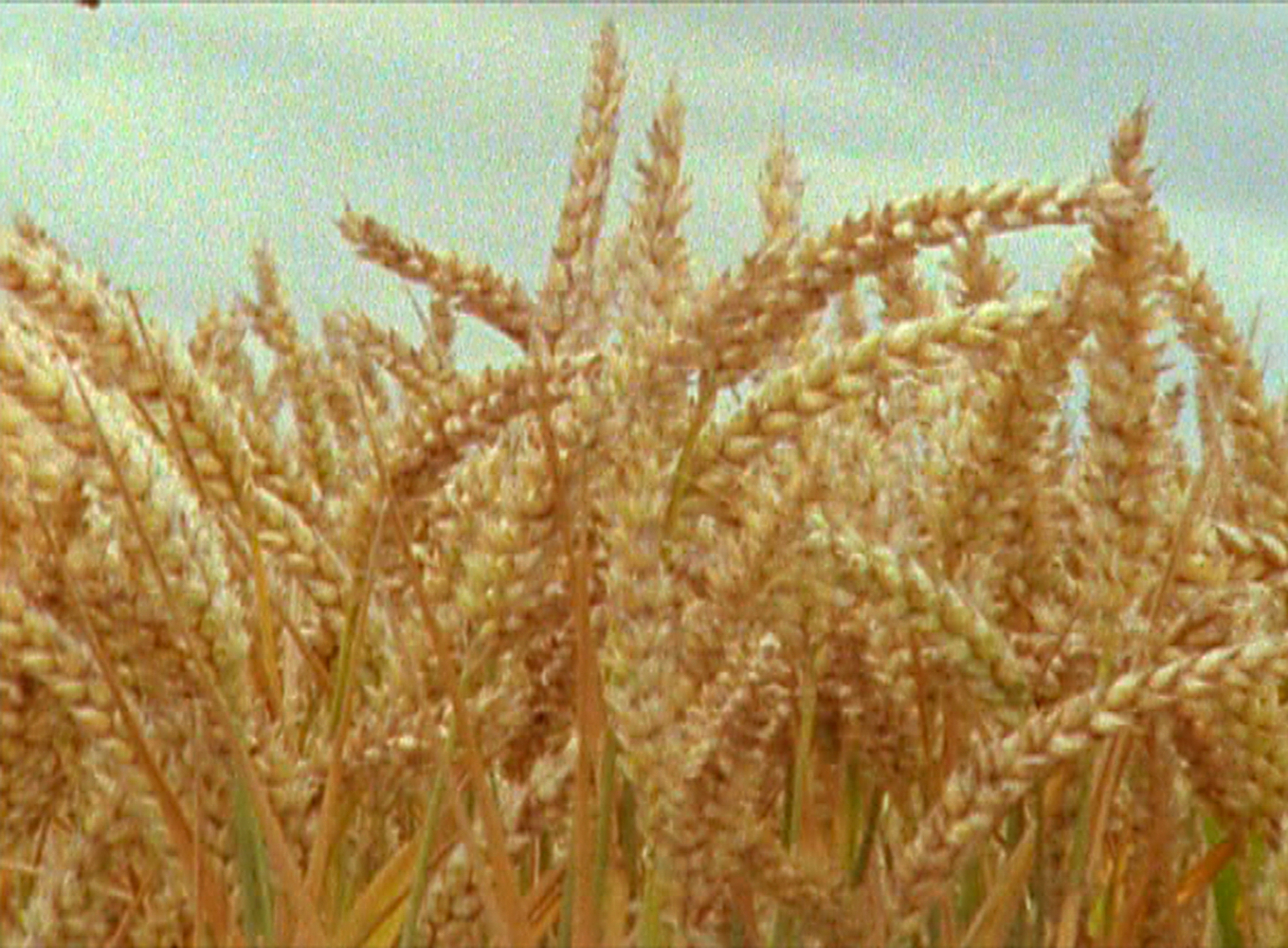
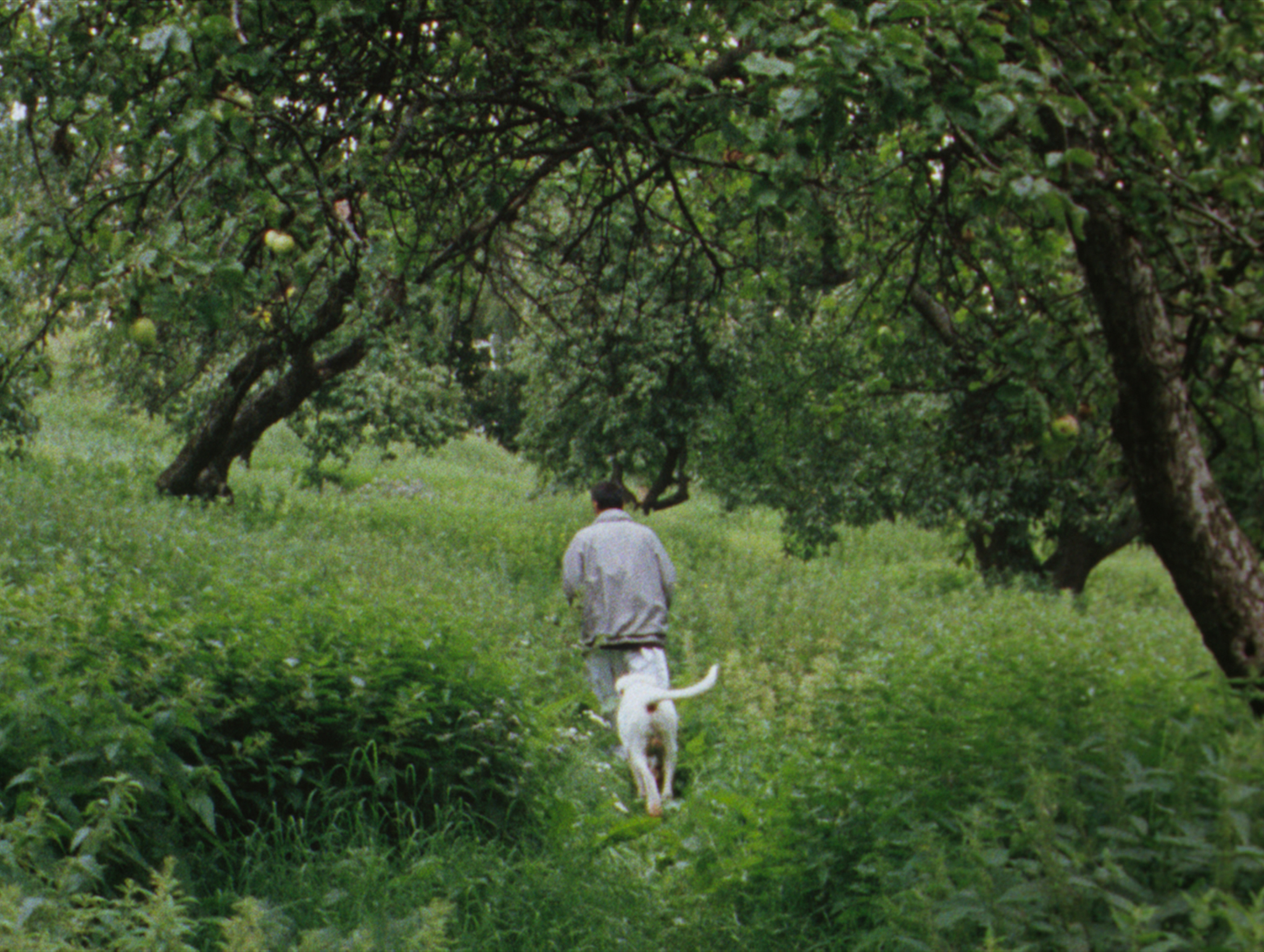
The film traces how flowers became financial instruments, traded on paper while the tulips themselves slept underground. Flowers, capitalism, and language intertwine through botanical metaphors of growth and decay, revealing the cultivated flower’s symbolic and concrete ties to finance, modes of production, and the history of the commodity. Set against capitalism’s demand for endless expansion stands Rosa Luxemburg: revolutionary, prisoner, and botanist. Her herbarium of weeds becomes a quiet refusal of order and domination, where plants turn into gestures, punctuation marks, and political statements. The film proposes a botanical revolution and asks whether plants, in the end, might be better off without us.
The film traces how flowers became financial instruments, traded on paper while the tulips themselves slept underground. Flowers, capitalism, and language intertwine through botanical metaphors of growth and decay, revealing the cultivated flower’s symbolic and concrete ties to finance, modes of production, and the history of the commodity. Set against capitalism’s demand for endless expansion stands Rosa Luxemburg: revolutionary, prisoner, and botanist. Her herbarium of weeds becomes a quiet refusal of order and domination, where plants turn into gestures, punctuation marks, and political statements. The film proposes a botanical revolution and asks whether plants, in the end, might be better off without us.